

Some events leave scars on the soul and affect the rest of our lives. We’ve probably all experienced a period in our lives that was extremely difficult for us emotionally. Traumatic events can cause physical or emotional harm. These are the very circumstances that greatly exceed our ability to cope. You may experience shock, fear, and genuine despair. This is where trauma-focused therapy comes in. It incorporates various approaches to psychotherapy. It helps us heal from various traumatic experiences and regain the strength to live and be happy. Let’s take a closer look at the nuances of this method.
Trauma Can Happen to Everyone
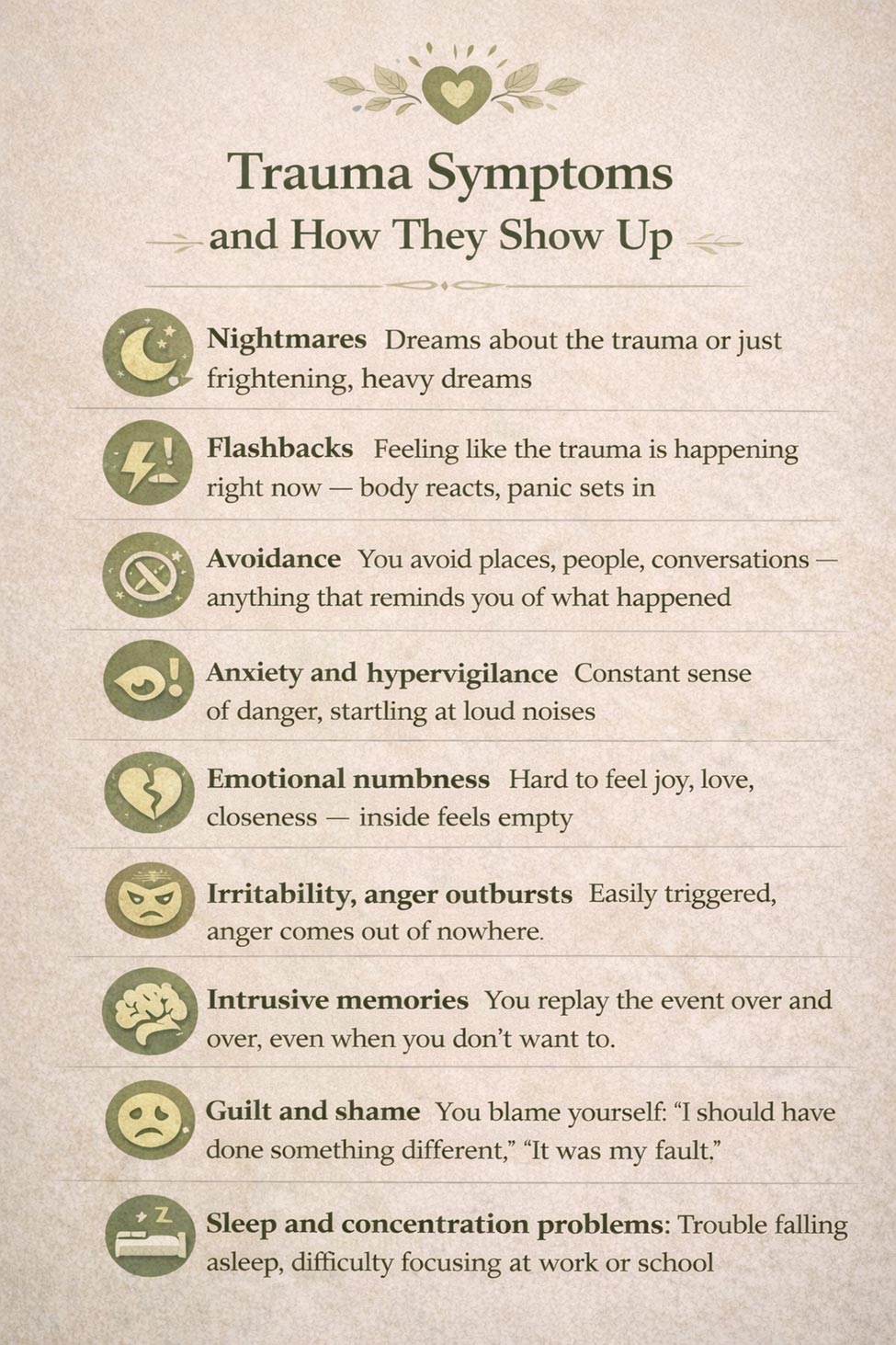
People lose loved ones, experience natural disasters, and face violence. These are all common causes of trauma. Sometimes, the consequences of trauma are experienced not by those who directly experienced the violence but by those who witnessed it. Indeed, over time, the effects of trauma weaken for many people. Time indeed heals. However, overcoming its consequences can be extremely difficult. A person suffers from nightmares, constantly encounters intrusive memories and flashbacks, and experiences anxiety and depression. In this case, it is imperative not to endure the pain but to seek healing. Trauma counseling helps a person overcome the harmful effects of trauma and begin to live a full and happy life again.
The Difference Between Trauma Therapy and Other Types of Therapy
Trauma therapy for adults focuses specifically on addressing conditions and symptoms specific to trauma. Its primary goal is the individual’s healing from trauma.
Trauma therapy itself typically refers to the treatment of trauma-related conditions. Sometimes, this includes broader symptoms that may not be associated with a formal diagnosis.
Trauma-focused therapy involves treating formal trauma-related diagnoses, including PTSD. Trauma-focused therapy can refer to any type of psychotherapy that works with awareness and sensitivity to traumatic experiences.
So, other types of therapy may consider trauma but also address other conditions, meaning they are more generalist. Trauma-focused therapy focuses on improving interpersonal relationships, personal growth, or stress management skills, and this may not be directly related to the traumatic event. In trauma therapy, the therapist sometimes applies strategies from other types of therapy.
Let’s look at popular types.
- Trauma-focused cognitive behavioral therapy uses the traditional CBT framework to identify and restructure ineffective thoughts and behaviors related to trauma.
- Prolonged exposure therapy helps resolve traumatic memories by gradually exposing the patient to elements associated with them, such as images, sounds, or memories of events. It helps reduce fear and anxiety.
- Somatic experiencing helps develop awareness of the physical sensations associated with the traumatic event. This is an excellent way to work through them for relief. The therapist in this case helps the person develop techniques for releasing these physical sensations.
- Trauma-focused dialectical behavioral therapy helps cope with difficult emotions and impulses associated with trauma.
- Cognitive processing therapy is a way to reframe distressing thoughts related to trauma. Eye movement desensitization and reprocessing uses eye movements to address the way traumatic memories are stored in the brain.
- Accelerated experiential dynamic psychotherapy incorporates a variety of techniques with an emphasis on trust, safety, and support in a therapeutic setting.
- Narrative exposure therapy uses structured storytelling to retell a traumatic event from a different perspective.
- Sensorimotor psychotherapy focuses on the sensory aspects of trauma and their verbal and nonverbal expression.
- Internal family systems therapy involves a deep introspective process to identify parts of the self affected by trauma.
- Short-term eclectic psychotherapy combines components of cognitive behavioral therapy with an emphasis on emotional processing and the development of trauma-specific coping strategies.
All types of trauma therapy prioritize a trusting relationship between you and your therapist to provide an environment in which you feel safe and comfortable. Trauma therapy also emphasizes collaboration, choice, and empowerment. You play an active role in determining how your sessions will proceed. If you feel overwhelmed, the therapist will adapt your program to ensure you remain emotionally and physically safe. Trauma therapy is tailored to your needs and preferences. Various types of therapy may be included or considered in a dynamic management plan.
Is Trauma Therapy Treatment Effective?
The term “Trauma therapy” encompasses a range of psychotherapeutic methods. Their goal is to heal a person from the symptoms and conditions associated with trauma. Here are some conditions for which trauma therapy can be helpful:
- Trauma-induced substance use disorder
- Post-traumatic stress disorder
- Acute stress disorder
- Trauma-related anxiety or depression
- Complex PTSD
Trauma therapy is also helpful if you suffer from distressing physical symptoms or relationship problems related to trauma. Therapists in this specialty also help patients whose actions or thoughts are directed toward self-harm or who suffer from severe mood swings.
How Does It All Work?
We’ll now explain how the trauma healing process works. Understanding these specifics will make you feel more comfortable. First, you need to establish trust. Choose a therapist who can create a trusting atmosphere. The therapist notices when the person feels comfortable and stable. It is at this stage that the therapist can safely approach painful memories. Now the work shifts to changing negative thoughts and developing healthier coping patterns.
An important method is psychoeducation. The therapist teaches the person about trauma and its impact on the mind and body. The person needs to understand why flashbacks occur and the nature of anxiety.
Relaxation and grounding help calm the body and return attention to the present moment. Clients practice deep breathing, guided visualization, or observing objects in the room. This creates a sense of safety.
Exposure techniques involve gently confronting memories, as well as situations, feelings, and experiences that the person has been avoiding.
Cognitive restructuring helps people recognize harmful thoughts, avoid self-blame, and develop more balanced and truthful beliefs.
Creative therapies include art, music, and hypnotherapy. This allows people to safely express their emotions. Body therapy techniques may include gentle movements or training in releasing accumulated muscle tension.
A typical session often begins with grounding or calming exercises. Then, the therapist and client work on the core technique. The therapist usually ends the session with relaxation, which helps the person feel safe and stable.
Research: Effectiveness of Trauma Therapy Programs
Experts have evaluated most forms for their effectiveness in treating post-traumatic stress disorder, as it is one of the most common trauma-related mental disorders.
According to a 2022 scientific article, the following have proven effective:
- Eye Movement Desensitization and Reprocessing
- Prolonged Exposure
- Cognitive Processing Therapy
The American Psychological Association classifies CBT and EMDT as specialized trauma therapies. They are highly recommended for PTSD based on the amount of evidence supporting their use. The APA also recommends narrative exposure therapy and brief eclectic psychotherapy. While the evidence for their effectiveness is less compelling, research still suggests positive results for some people.
Conclusion
At the Lotus Psychological Clinic, we understand that trauma impacts your entire life. Your mind, body, nervous system, and the stories you hold about yourself can be shaped by the effects of trauma. Healing doesn’t mean erasing what happened but rather restoring a sense of security lost. We will help you return to yourself, face your fears, accept what happened, and move on with joy and awareness. Contact us for a consultation!